Insurance Help
Dealing with insurance after a home is damaged can feel overwhelming. Understanding what your policy covers and how temporary housing works is an important part of the recovery process.
RVHousingPros helps homeowners understand insurance-based temporary RV housing so families can remain close to their property while repairs are completed.
Understanding Loss of Use Coverage
Most North Carolina homeowners insurance policies include a benefit called loss of use or additional living expenses (ALE). This coverage is designed to pay for temporary housing when your home is uninhabitable due to covered damage.
Loss of use coverage may apply after:
House fires
Hurricane or storm damage
Flooding
Burst water pipes
Structural repairs
Mold remediation
Major reconstruction
This coverage is what allows temporary RV housing to be approved through insurance.
What Insurance Typically Covers
When RV housing is approved, insurance may cover:
Monthly RV housing costs
Delivery and setup
Extended stays during rebuilding
Removal when housing ends
Coverage varies by policy, carrier, and claim details. Final approval is always handled by your insurance adjuster.
Working With Adjusters
RVHousingPros works directly with insurance adjusters and restoration teams to support the temporary housing portion of an active claim.
We may assist homeowners by:
Explaining how RV housing fits within insurance coverage
Providing housing-related information insurers commonly request
Supporting communication during the recovery process
Helping ensure housing timelines align with rebuild progress
Our role is to help simplify the temporary housing process while insurance providers manage approvals and payments.
Why RV Housing Is Often Approved by Insurance
Insurance carriers frequently approve RV temporary housing because it:
Keeps families near their property
Reduces long-term hotel costs
Supports extended rebuild timelines
Works well in rural or limited-rental areas
Provides consistent living conditions
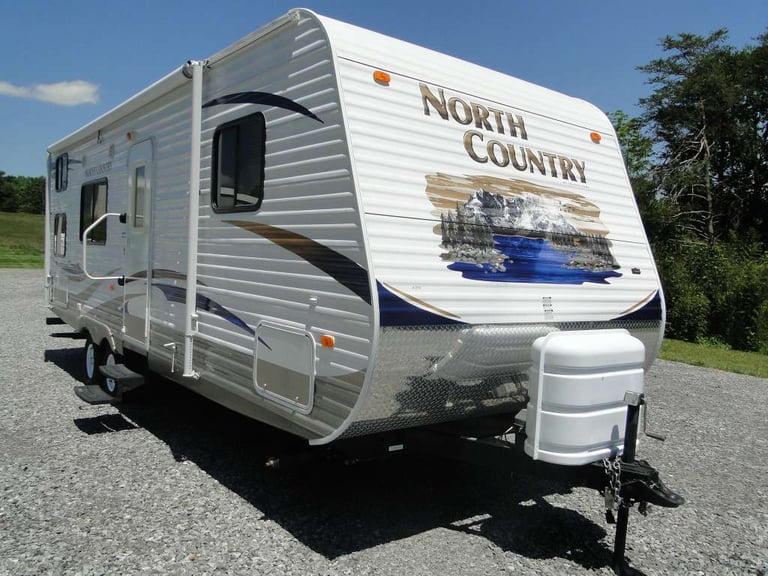
RV housing is often the most practical solution for long-term displacement.
Who Insurance-Based RV Housing Is For
Insurance-funded RV housing is commonly used by:
Homeowners after disasters
Families displaced during major repairs
Rural property owners
Long-term reconstruction projects
Insurance claimants needing stability
It offers a reliable alternative to hotels and short-term rentals during recovery.
Related Temporary Housing Services
Temporary RV Housing — Done Right.
Helping displaced homeowners across the Carolinas.
© 2016–2026 RVHousingPros | Legal & Privacy