
How It Works
RVHousingPros provides temporary RV housing exclusively for insurance-based displacement. Our service is designed for homeowners whose insurance policy includes temporary housing coverage after fire, flood, storm damage, or major repairs.
Our focus is meeting the homeowner's temporary housing needs by working with their insurance carriers, adjusters, and restoration teams to provide stable, long-term housing during the rebuilding process.
Step 1: Contact Us
The process begins when you contact us with basic information about your situation, including:
Type of damage (fire, flood, storm, etc.)
Property location
Insurance carrier
Adjuster contact (if available)
Estimated length of displacement
Utility availability on-site
This allows us to determine whether RV temporary housing is appropriate for your claim.
Step 2: Insurance Review
We review your situation to confirm that temporary housing is being handled through your insurance policy. Most homeowners policies include loss of use or additional living expenses (ALE) coverage for displacement.
Our role is to help homeowners understand the temporary housing portion of their claim and provide the information insurers typically require when RV housing is approved.
Step 3: Housing Coordination
Once insurance-based housing is confirmed, we coordinate placement logistics, including:
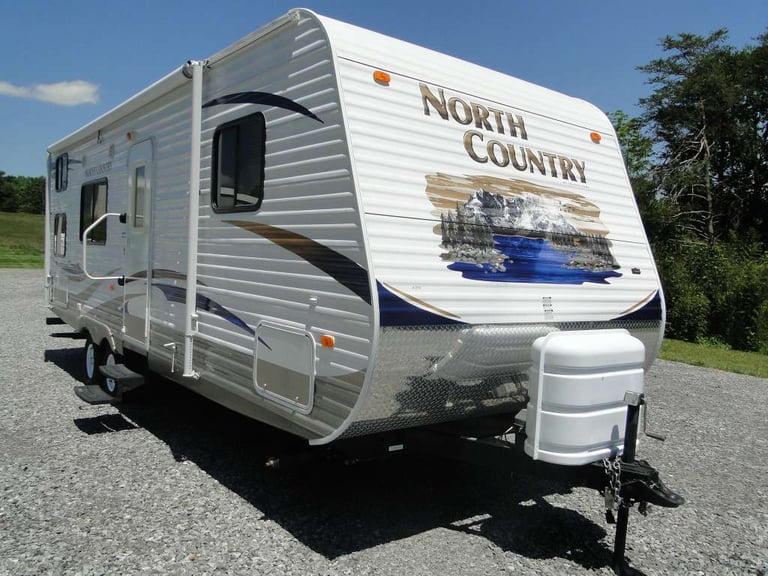
RV type and layout
On-site or nearby placement
Estimated housing duration
General setup requirements
We work alongside insurance adjusters and contractors to align housing with the rebuild timeline.
Step 4: RV Delivery and Setup
The RV is delivered and set up at the approved location. This typically includes:
Positioning the RV safely
Leveling and stabilizing
Basic operational walkthrough
Utility hookups are provided by the homeowner or property owner. We can assist with planning and provide general guidance on code-approved temporary utility solutions.
Step 5: Stay During Rebuild
You live in the RV while your home is repaired or rebuilt. This allows you to:
Remain close to your property
Monitor restoration work
Maintain daily routines
Avoid relocating far from home
Housing stays typically last weeks or months depending on the scope of repairs.
Step 6: Removal When Complete
Once your home is ready to occupy, the RV is removed and temporary housing ends.
Who This Process Is For
Our process is designed for:
Homeowners with insurance claims
Families displaced by disasters
Rural property owners
Long-term reconstruction projects
Insurance-funded temporary housing needs
We specialize in insurance-based placements only.
Related Temporary Housing Services
Temporary RV Housing — Done Right.
Helping displaced homeowners across the Carolinas.


© 2016–2026 RVHousingPros | Legal & Privacy